
Gamification is the use of video game-inspired elements to capture attention and encourage specific behaviours. In investing, it can influence investment decisions through techniques such as badges, frequent notifications, leaderboards, points or virtual rewards.

When investing feels like a game
Gamification is used in many fields and can be beneficial, particularly as a learning tool. It can make an activity that might otherwise seem uninteresting or unstimulating more engaging.
However, while gamification in investing isn’t inherently problematic, it presents a real risk when it encourages investors to:
- Trade more frequently or make more transactions than necessary
- Make decisions that that are inconsistent with their financial goals
- Act impulsively or emotionally
Before you do anything, ask yourself: Is your investment app helping you invest or encouraging you to play?
Depending on how they’re designed and used, some gamification techniques can influence investors’ decisions and lead them to adopt risky financial behaviours. Whether you’re new to investing or a seasoned investor, no one is immune. Better understanding these mechanisms can help you make more informed investment decisions.
Five visual and psychological traps that can make investing more exciting than it should be
(The images shown as examples were generated using artificial intelligence. They illustrate gamification techniques used in certain financial apps. They don’t represent any real platform, and all data displayed is entirely fictional.)
1. Instant push notifications
Notifications often highlight a stock’s rise in value, inform you of market buzz or invite you to “seize a one-of-a-kind opportunity.”
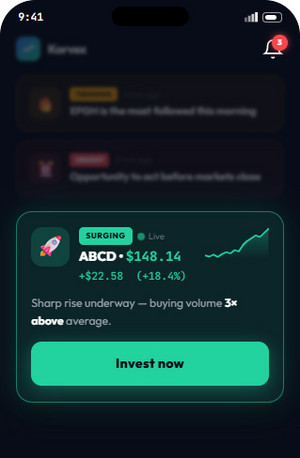
Intended effect:
To encourage you to immediately open your app and place a trade.
The risk:
They may prompt you to act out of fear of missing out (FOMO) without properly assessing the investment.
2. Popular and trending stock lists
These lists rank the day’s most purchased stocks or most-watched stocks.
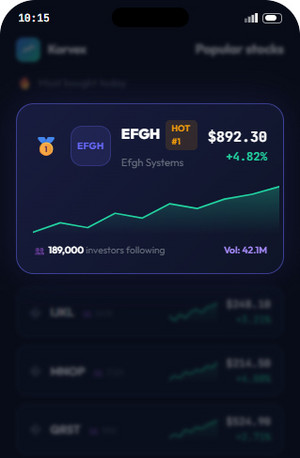
Intended effect:
To inspire trust and encourage you to buy certain securities by relying on the experience of other investors.
The risk:
You may purchase financial products that aren’t necessarily suited to your investor profile or investment objectives.
3. Leaderboards
These rankings, which mirror the structure of a video game, highlight investors who have achieved the highest returns over a given period.
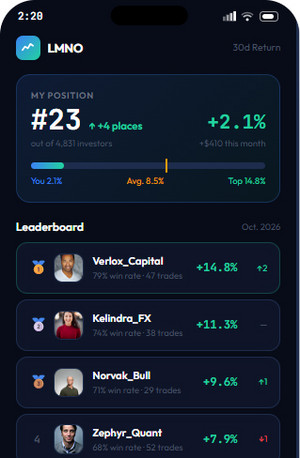
Intended effect:
To turn your investment strategy into an interactive competition.
The risk:
You may take on greater risk or increase trading activity simply to move up the rankings. Comparing your rank with that of others should be avoided.
4. Symbolic rewards
Awarding a badge, triggering a celebratory animation or unlocking a higher level after a transaction are techniques investment platforms may use to encourage investors following a trade.
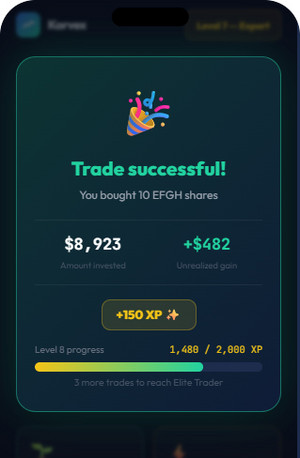
Intended effect:
To create a dopamine boost and an immediate sense of accomplishment.
The risk:
You may seek to recreate that feeling by repeatedly trading securities, even when doing so provides no benefit to your financial position.
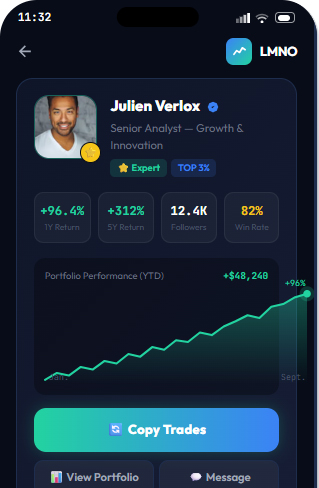
5. Copy trading
This feature exposes you to the profile of a popular investor whose investments appear to be performing well. You may see their recent returns or be offered the option of automatically copying their trades.
Intended effect:
To influence your decision to purchase the same investments as that investor.
The risk:
That investor likely doesn’t share your investment objectives, time horizon, risk tolerance or financial position. As a result, you could end up investing in products that aren’t appropriate for you.
A person offering trade-copying services without being registered with the AMF may not have the qualifications required to provide investment advice. This can increase the risk of making poor investment decisions or incurring financial losses.
End of the warningGamification can have positive effects when it’s used to promote sound financial practices.
Financial education: Quizzes and interactive games can make complex concepts easier to learn and help build financial self-sufficiency, particularly among young people.
Automation and consistency: Tracking progress through a progress bar or participating in a monthly savings challenge can encourage positive financial habits.
Informed investor FAQ
Four questions to ask yourself before making a trade
- Are you investing based on your goals or because a notification caught your attention?
If the decision stems from a mobile alert, it’s likely an impulsive one. - Do you truly understand the investment you’re considering?
If you can’t explain the product in two simple sentences, don’t buy it. - Are you relying on the choices of other online investors?
The apparent success of other investors is no guarantee of your future returns. - Is your goal to grow your investments or to experience the excitement of the markets?
Long-term investing is built on diversification and patience. Excitement often comes at a high financial cost.
Critical thinking is essential for recognizing gamification techniques and preventing them from influencing your investment decisions. To make informed investments, make sure every decision aligns with your financial objectives, time horizon and risk tolerance.
To learn more and make sound investment decisions, consult our resources.