There are many ways to save money every day. Everyone has their own priorities, habits and needs, so it’s normal for solutions to vary. The important thing is to take the first step! Even small actions can make a big difference over time. Here are a few ideas to put into practice.
Shop around for insurance
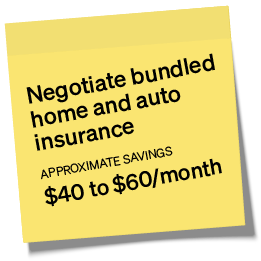
Insurance (auto, home, life, etc.) is a significant and recurring expense. The good news is you can save money, sometimes a lot, simply by comparing offers!

Here are a few tips to explore:
- Request quotes from several insurance companies
- Compare prices and coverage
- Check for possible discounts (loyalty program, bundled home and auto insurance, etc.)
- Repeat this process each time you renew
Note: If you are dealing with a financial professional, make sure the representative and the firm for which they work are authorized to advise you or sell you the product being offered.
Check your bank statements
Pre-authorized debits make life easier: once they’re set up, there’s no need to remember due dates and no additional effort is required. But not having to think about them can also work against you. It’s easy to forget they exist!
Take a few minutes to review your statements. You might find unnecessary or forgotten fees that you can eliminate.
Check your recurring payments:
- Are you paying twice for the same insurance or holding insurance that no longer suits your needs?
- Have you agreed to coverage or protection that you don’t consider useful?
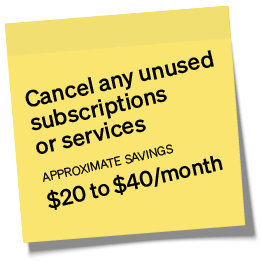
- Are you subscribed to services that you’ve forgotten about or no longer use?
- Are there fees that you don’t understand or don’t recognize?
These small steps could save you a good deal of money every month... effortlessly!
Avoid interest (as much as possible!)
Credit cards can be useful but they’re also expensive if you don’t pay attention to the interest. Even if you know that it’s best to pay your balance in full every month, that’s not always possible, especially when unexpected expenses pile up.
Here are a few tips to limit your fees:
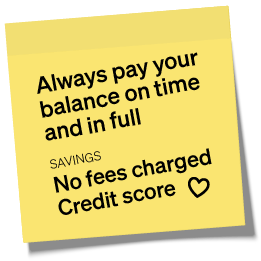
- Pay your credit card balance in full every month to avoid paying interest. For example, if your statement balance is $800 and you manage to pay only $500 before the due date indicated on the statement, interest will be calculated on the $800 balance.
- Avoid cash advances. Withdrawing money using your credit card may be very expensive, as you start paying interest the moment you make the withdrawal.
- Shop around for a credit card. There are several types of cards, and some may offer more benefits (lower interest rates and annual fees, rewards, etc.) depending on your situation. If you have any questions or if your current credit card no longer suits you, contact your financial institution. It can help you find an option that better fits your needs.
Keep an eye on your credit report
Having a good credit report comes with many advantages, including the ability to borrow money more easily and at a lower interest rate.
Here are a few simple things you can do to maintain the quality of your credit report:
- Pay your balance on time and in full (as much as possible)
- Limit credit applications
- Pay off your debts as quickly as possible
Keep older credit accounts open, even if you don’t use them. Why? Because the longer you have a credit account open, the better it is for your credit report. Closing an older account can reduce the length of your credit history, which can negatively impact your credit score.
You may access your credit report on-line, by phone, by mail or in person for free with Canada’s two main credit assessment agencies, Equifax  This link will open in a new window and TransUnion This link will open in a new window. By seeing the information they use to determine your credit score, you can take steps to improve your credit report.
To learn more:

Improve your finances, one dollar at a time
Even the smallest amounts can make a big difference. With the money you free up, you can use your savings to build an emergency fund, reduce your debt, or even start investing.
Do what works for you, at your own pace. These simple actions can transform your financial future.
Build an emergency fund
An unexpected situation can occur at any time. Having a safety cushion can spare you a lot of stress, especially by helping you handle an unexpected expense without taking on debt.
Ideally, you would have the equivalent of three to six months of expenses set aside in an account that is separate from your chequing account but easily accessible. If this amount seems high, don't worry, start small and stay within your means. The important thing is consistency, not perfection.
There are many advantages:
- In the event of unexpected costs: An emergency fund allows you to pay for a repair or replacement without having to use your credit card and pay interest.
- In the event of a loss of income: An emergency fund enables you to continue meeting your financial obligations if you have to stop working or your income decreases.
- For reducing financial stress: Knowing that you have a financial safety cushion provides peace of mind.
- For protecting your financial health: An emergency fund enables you to avoid taking on additional debt that could negatively affect your credit report.
Dare to invest (no matter the amount!)
Investing can seem daunting, but it’s more accessible than you think. Even a small amount invested regularly can make a difference in the long run. The important thing is to start investing according to your means and goals.
Through the magic of compound interest, your investments will grow over time, with interest earned on the money you invest plus interest earned on the interest. The earlier you start, the more your money will work for you!
Before investing, take the time to:
- think about the goals you want to achieve
- determine your investor profile
- learn about the products available and choose the ones that meet your needs
- check out our tips