
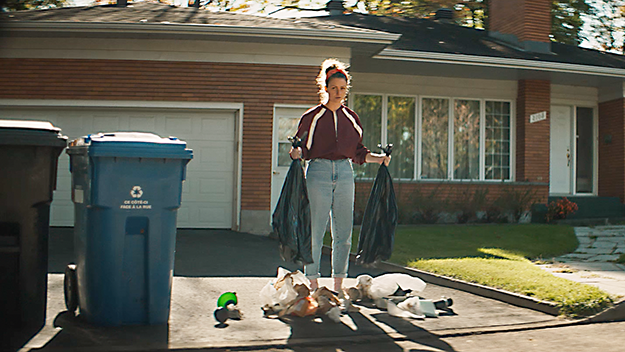
Sarah would rather take out the garbage than make a monthly budget.
Sarah has been a graphic artist for the last four years. She loves her job and juggles creative assignments with tight deadlines. As she’s self-employed, she doesn’t have access to group insurance. She’s not too worried about it, though, because life or disability insurance just doesn’t seem relevant to someone like herself who is young and in good health. Then, one day, it strikes her: “What if something happens tomorrow that prevents me from being able to work? How long could I hold out for?”
Sarah starts by reviewing her financial situation. She has student debt, a small emergency fund to get her through a few weeks, and enough income to cover her rent, bills and current expenses. After she’s paid everything off, there’s not much left to stretch.
She realizes how quickly expenses can pile up and slow the path to her savings goals. Making a budget is an enlightening experience, as she now has a better idea of where her money is going and what she would like to do with it.
Armed with a clearer picture of her financial situation, Sarah takes time to figure out her priorities. The first thing she wants to do is eliminate her biggest long-term financial hurdle: her student debt. She also would like to be covered in the event something unexpected happens. Shopping for life and disability insurance is something altogether new for her, but she knows that now is the best time to access coverage, when she’s still young and healthy.
Finally, she would like to include new expenses in her budget without completely sacrificing her everyday indulgences. She seeks personalized help and advice from an AMF-registered financial security advisor.
Together, she and the advisor develop a strategy specifically tailored to her situation. They review the student loan payment terms  This link will open in a new window. Then, Sarah chooses life insurance aligned with her needs and adequate disability insurance to cover her if she’s ever unable to work.
Her budget is reviewed item by item. She reduces superfluous expenses while keeping a cushion for indulgences she considers essential to have some balance in her life. The end product is a clear, realistic plan that lets her breath a little easier. She finally feels she’s in the driver’s seat and on the road to achieving lifetime financial security.
Taking care of your finances
By taking the time to understand her situation, set her priorities and take action, she now knows she has put a safety net in place that will catch her if anything unexpected happens. She feels calmer, better prepared and able to face the future with confidence.
Finally, she realizes that taking care of her finances is less complicated than she thought. It’s just one more dimension of self-care.
Reviewing your insurance is in your best interest!
Factors to consider when choosing the amount you may need if you experience a disability include:
- Your current insurance coverage
- You current expenses and savings and your anticipated expenses and savings in the event of a disability, including:
- Debt payments
- Money saved for retirement or your children’s education
- If you own a business, the business’s overhead costs if it had to stop operating as a result of your absence
- Sources of non-employment income
- Your resilience (for example, would you be willing to change occupations if you became disabled?)
Discover other stories:

Robert would rather walk his dog in the rain than manage his credit.

Sarah and Maude would rather unclog the bathtub drain than save for tomorrow.

Laura and Maxime would rather fold 10,000 fitted sheets than update their finances.